Coastal Plants
Native vs. Non-Native Coastal Plants: What to Grow and What to Avoid
A garden within reach of salt spray is a testing place. Wind scours, sand shifts, and the soil is thin, free-draining and often alkaline thanks to shell fragments. Add the wildlife value of a dune, shingle beach or clifftop and every planting decision carries more weight than it would in a sheltered suburban border. Native species evolved here and cope with the conditions; plenty of non-natives are equally useful and well behaved; a small number are genuinely damaging. Knowing which is which saves money, effort and, on protected sites, a great deal of trouble.
Why native versus non-native is not a simple scorecard
Native means a plant arrived here without human help after the last ice age. Non-native means it was introduced, deliberately or by accident. That distinction is useful, but it does not tell you whether a plant will behave itself in your patch.
Bracken, bramble and gorse are all native, and all three can swallow a site if grazing or cutting stops. Rosemary, lavender and Cistus are non-native and have never caused a problem on the coast. What actually matters is behaviour in a specific place: does it set viable seed, does it sucker, does it smother low-growing neighbours, and can it cross with a local species? Answer those questions and the native label becomes secondary.
Native coastal plants worth growing
These are the reliable performers. Most prefer full sun, sharp drainage and no feeding, which makes them ideal for gravel gardens, low walls and exposed front gardens.
For gardens and small spaces
- Sea thrift (Armeria maritima): tight cushions of pink flowers from late spring. Happiest in gravel or a wall crevice where water never sits.
- Sea campion (Silene uniflora): white, faintly veined flowers on sprawling stems. Good at the front of a border or spilling over a retaining wall.
- Viper's bugloss (Echium vulgare): a bristly biennial with brilliant blue flowers and a magnet for bees. Let it self-seed.
- Bloody cranesbill (Geranium sanguineum): magenta flowers over a long season; tolerates thin, chalky ground and coastal wind.
- Sea holly (Eryngium maritimum): glaucous, spiny and architectural. It needs deep sand or gravel and resents being moved. Never lift it from the wild.
For dunes, shingle and restoration work
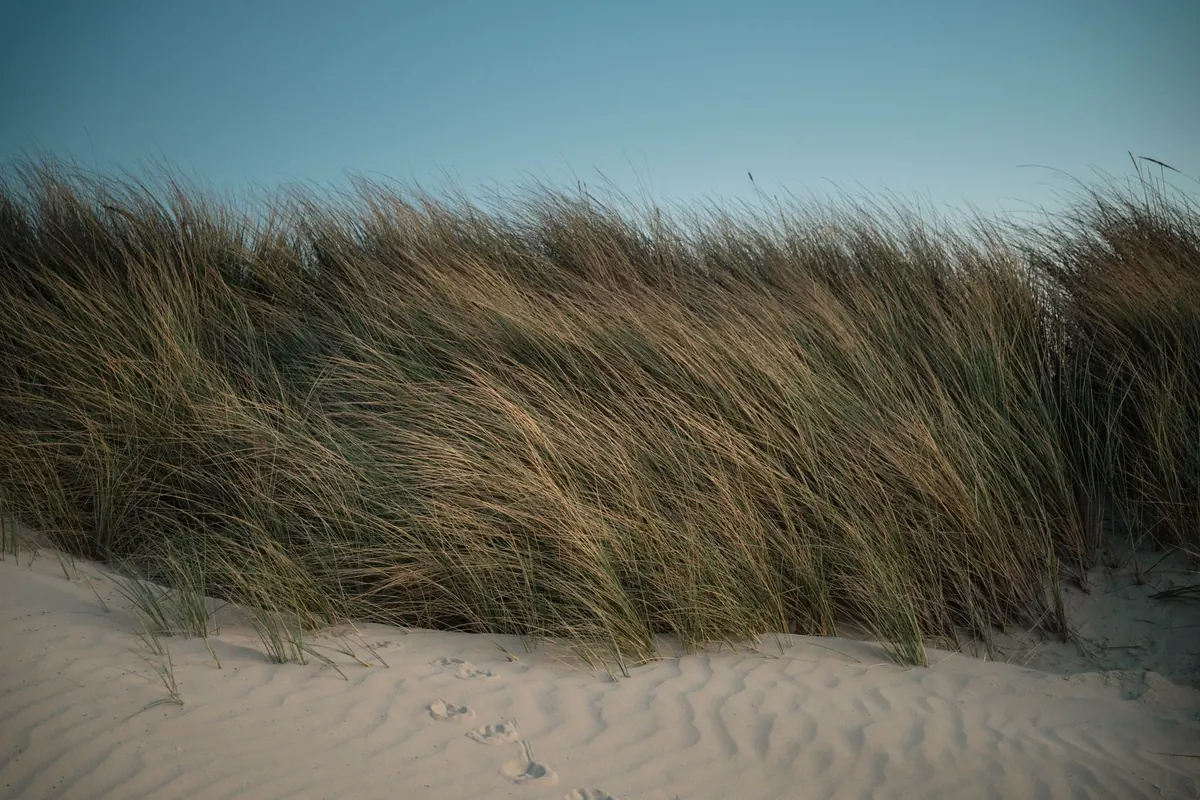
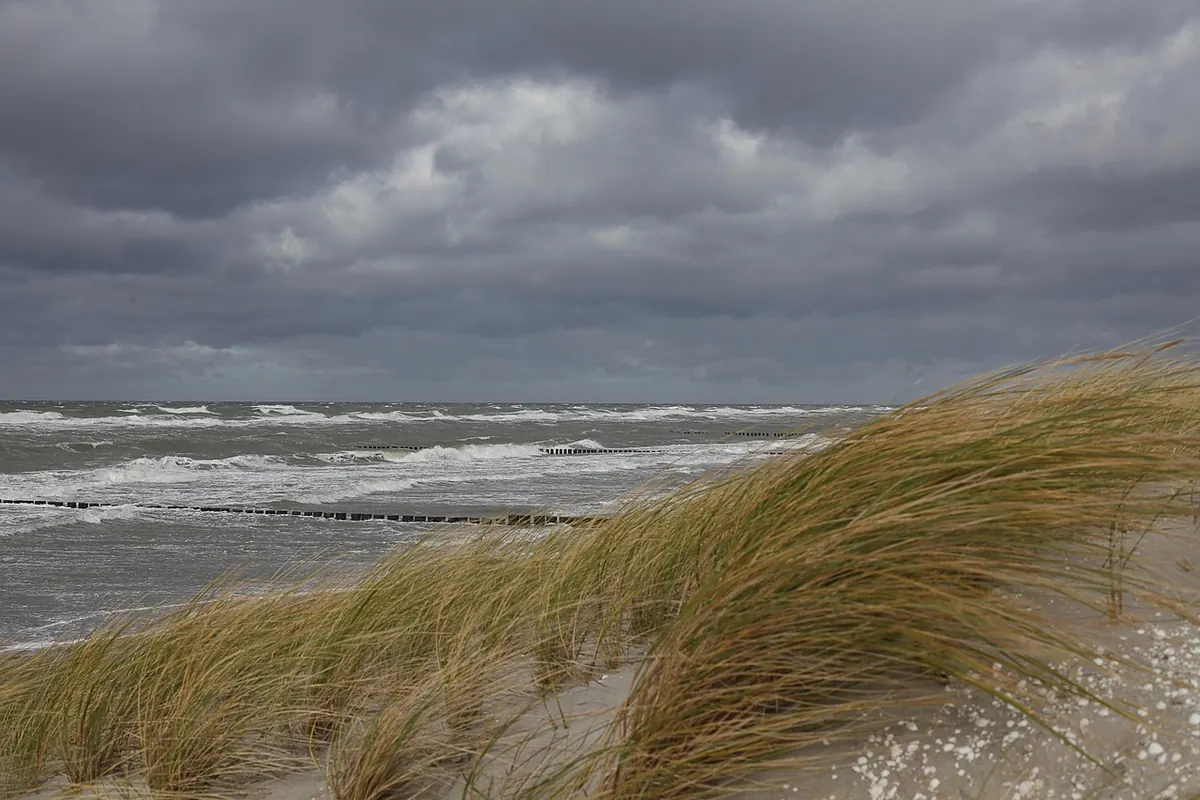
- Marram grass (Ammophila arenaria): the dune builder, trapping sand with its rhizomes. Too vigorous for a small garden.
- Sand sedge (Carex arenaria) and red fescue (Festuca rubra): the binding roots that hold fixed dune turf together.
- Kidney vetch (Anthyllis vulneraria): yellow, woolly flower heads and the food plant of small blue butterfly caterpillars. A genuine priority on southern dune sites.
- Sea lavender (Limonium vulgare): for saltmarsh edges and wet, saline hollows, not for dry sand.
- Yellow horned poppy (Glaucium flavum): short lived, grey-leaved and made for shingle. It moves itself around by seed, so leave bare gravel for it.
One legal point: digging any wild plant up without the landowner's permission is an offence, and on a Site of Special Scientific Interest it may also need consent from the relevant statutory body. Buy nursery-propagated stock or collect seed with written permission.
Non-native plants to avoid on the coast
A handful of introduced plants have caused real damage to UK coastal habitats, and several are subject to legal controls. In England and Wales, planting listed species in the wild is an offence under Schedule 9 of the Wildlife and Countryside Act; Scotland and Northern Ireland have their own arrangements, so check the current position before any scheme.
- Japanese rose (Rosa rugosa): planted for dune stabilisation through the twentieth century, it now forms dense, prickly thickets that crowd out dune grassland. It spreads by suckering and by hips carried on the tide.
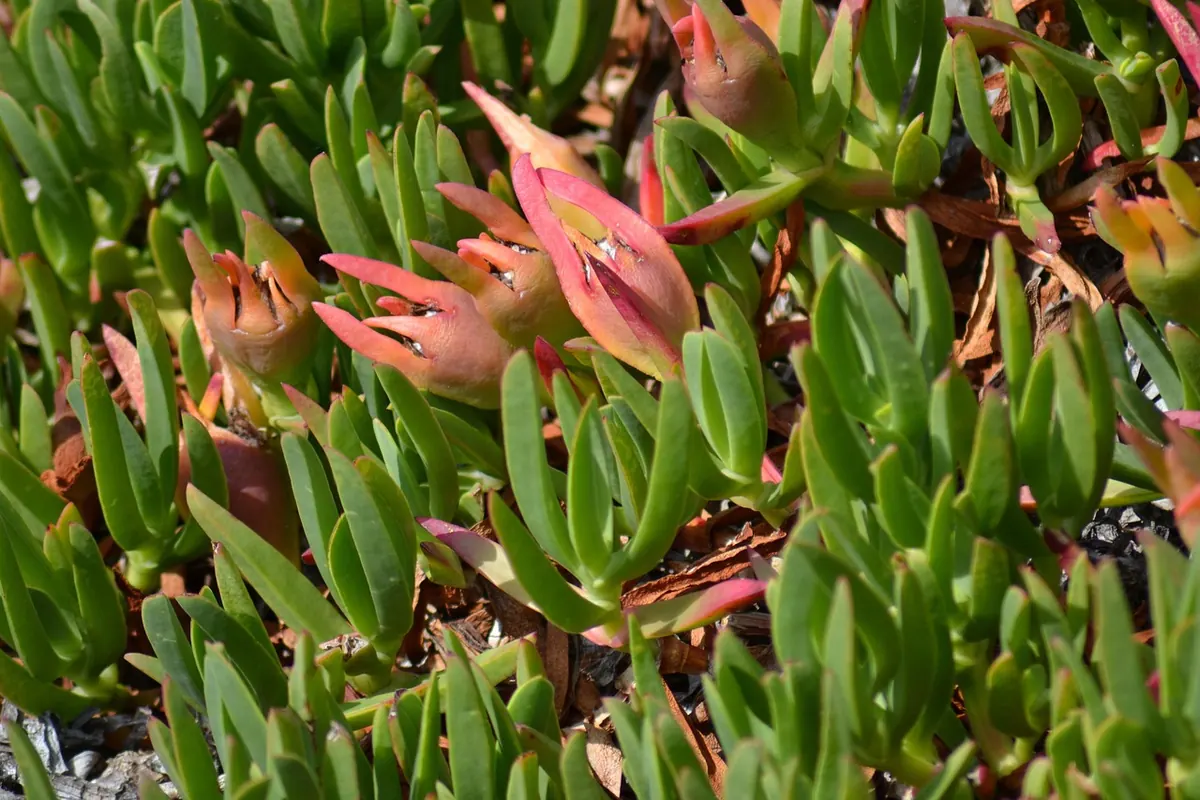
- Hottentot fig (Carpobrotus edulis): carpets clifftops and sea walls in the south west, smothering everything beneath it. Purple dewplant (Disphyma crassifolium) does the same at a smaller scale.
- Cotoneaster: birds drop the berries onto cliffs and limestone, where seedlings establish in cracks that should hold specialist native flora.
- New Zealand pigmyweed (Crassula helmsii): a freshwater invader that turns dune-slack pools into green soup.
- Sea buckthorn (Hippophae rhamnoides): native to parts of eastern England, but widely planted elsewhere. Its suckering colonies can overwhelm dune grassland, so treat it as a plant for its native range only.
Japanese knotweed, Himalayan balsam and garden escapes such as montbretia and three-cornered leek are also worth watching on coastal banks and lanes, particularly where ground has been disturbed.
Non-natives that earn their place
You do not need to plant only natives to have a good coastal garden. The trick is choosing plants that grow but do not run. Lavender, rosemary, Cistus, Euphorbia characias, tamarisk, Olearia, Griselinia, Escallonia and Pittosporum all shrug off salt and wind, and none of them has a track record of invading UK dunes or shingle.
Where a sensitive habitat sits next door, be stricter. A garden shrub that produces fertile seed can cross a fence more easily than you think, and hybridisation with a local species is difficult to undo. In those situations, stick to natives and sterile cultivars.
Match the plant to the zone
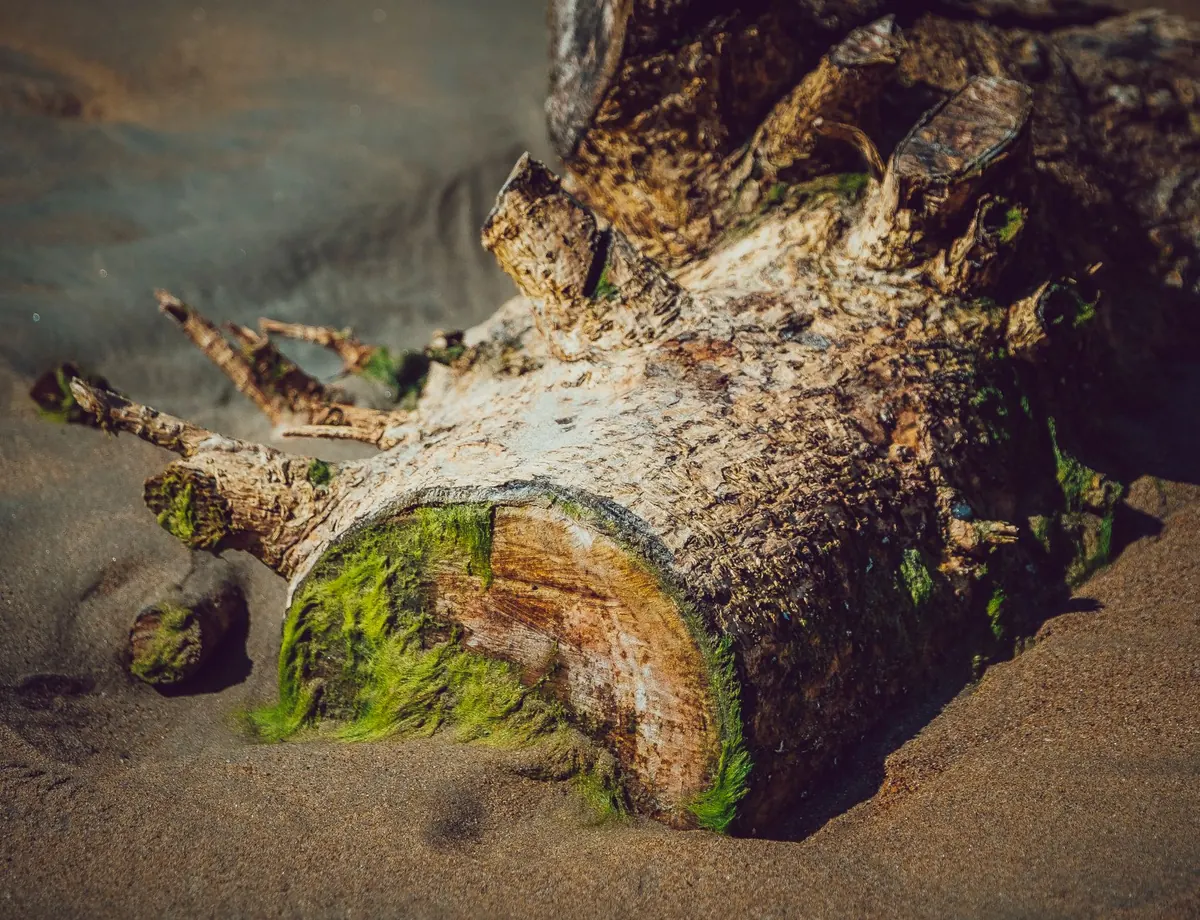
- Strandline and shingle: yellow horned poppy, sea kale, sea campion. Leave the seaweed and driftwood in place; it feeds the whole system.
- Fore dune: marram grass, sand couch. Keep foot traffic light and never plant into the erosion face.
- Fixed dune: red fescue, sand sedge, kidney vetch, thrift, wild carrot. This is where grazing and cutting matter most.
- Dune slack: marsh helleborine, creeping willow and wet-grassland plants. Guard the water table; drainage is what kills these hollows.
- Clifftop and sea wall: thrift, sea campion, sea beet, viper's bugloss. Thin, exposed and windy, so plant small and plant densely.
- Coastal hedge or shelter belt: a mixed native hedge with a salt-tolerant evergreen windbreak behind it, kept cut so it does not seed into the cliff.
Getting planting right
- Check the site first. Note pH, exposure, how far salt spray reaches and where water collects. Coastal soils are rarely uniform over more than a few metres.
- Use local provenance. Seed or plug plants from the same catchment, or a recognised seed zone, are far more likely to establish than stock from a distant nursery.
- Plant in autumn. Warm soil and winter rain do most of the work. Spring planting on an exposed coast usually means a summer of watering and a high failure rate.
- Do not feed. Coastal plants are adapted to low nutrients. Fertilisers and rich compost simply encourage rank weeds and soft growth that snaps in the wind.
- Protect establishment, not forever. Temporary fencing, brash or a scattering of stone keeps people and dogs off new planting while it roots. Remove
Photo: PollyDot / Pixabay
Related Articles