Dune Restoration
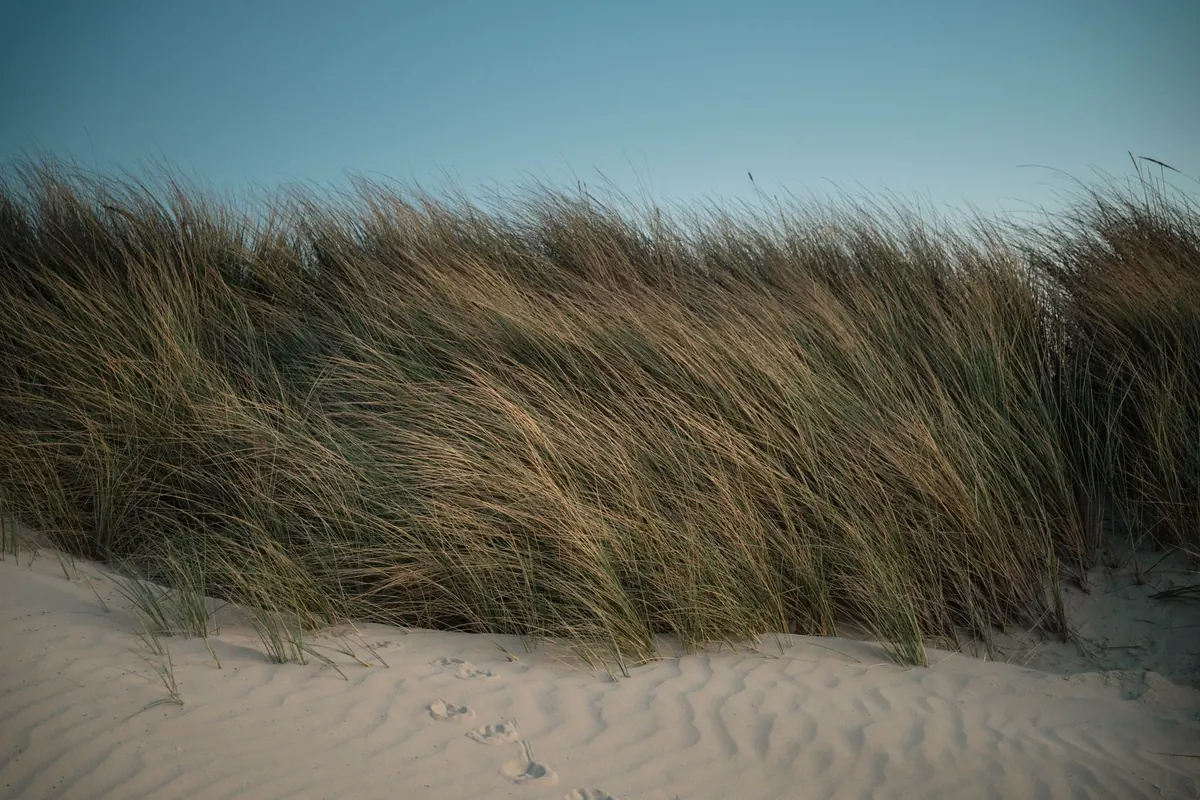
Restoring the Sefton Coast Dunes: Lessons for UK Conservation Projects
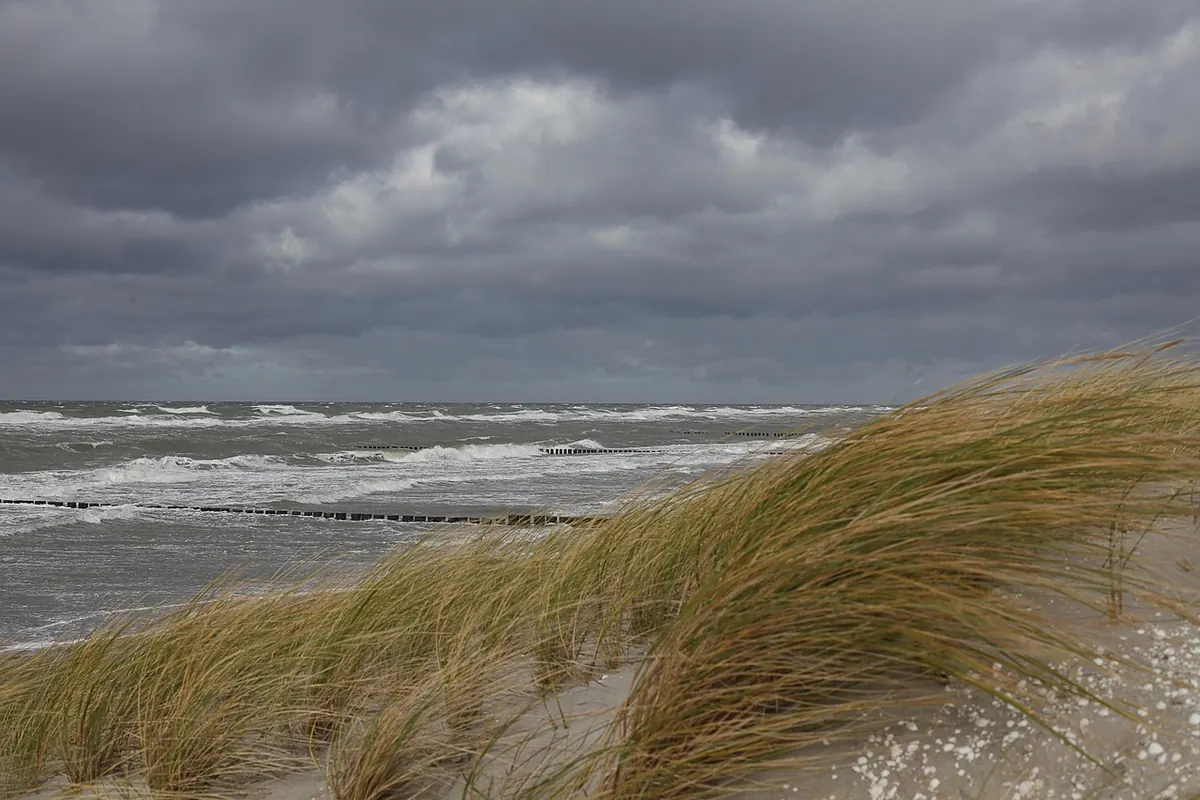
The coast between Crosby and Southport holds one of the largest dune systems in England, and it is not a static place. Sand blows in and out, dune slacks flood and dry, and the plants and animals that live there depend on that restlessness. For much of the last century, though, this coast — like most dune systems in the UK — has been quietly settling down: fixed in place by marram planting and fencing, colonised by scrub, and starved of the bare sand that early-succession species need.
The restoration work under way on the Sefton Coast is an attempt to put some of that movement back. It is not finished, and not every technique has worked first time. That is exactly what makes it worth studying from a distance.
A coastline built on disturbance
The dune belt runs from Formby through Ainsdale and Birkdale to Southport, backing onto links golf courses, pine plantations and housing. Almost all of it sits within a Site of Special Scientific Interest and a Special Area of Conservation, with a National Nature Reserve at its heart — designations that reflect just how much wildlife depends on sand that shifts.
Natterjack toads breed in the shallow, seasonally flooded slacks. Sand lizards need open, sparsely vegetated sand to lay their eggs. A specialist flora, including dune helleborine, sits alongside a rich community of mosses and lichens. None of these are relics of a wilder past that can simply be fenced off and admired. They are species that need disturbance — wind, water, grazing animals and feet — to keep creating the gaps they live in.
How the dunes stopped moving
The stabilisation happened gradually and for understandable reasons. Sand drifting inland threatened farmland, roads and houses, so it was planted. Sea buckthorn went in as shelter and spread far beyond where anyone intended. Myxomatosis cut rabbit numbers, and grazing by livestock fell away, so nothing was cropping the vegetation back. Airborne nitrogen from traffic and agriculture acted as a fertiliser, speeding up the growth of coarse grasses.
Add coastal squeeze — sea level rising while hard defences stop the dune from rolling inland — and you get a dune system that is both shrinking and greening over. Fewer bare patches, fewer slacks, fewer early-succession species. The same story has played out at Kenfig, Braunton Burrows, Studland and dozens of smaller sites.
What restoration looks like on the ground
On the Sefton Coast, restoration is a mix of heavy machinery, livestock and long-term shepherding of vegetation. Typical techniques include:
- Scrub control: cutting and stump-treating sea buckthorn and other woody species, then returning to tackle regrowth over several seasons.
- Turf stripping and scrapes: removing the nutrient-enriched top layer to expose raw sand in irregular, natural-looking shapes rather than neat rectangles.
- Slack restoration: clearing scrub from damp hollows so that water can sit again and specialist plants can return from the seed bank.
- Conservation grazing: using cattle or hardy sheep to keep vegetation open and create the mosaic of tall and short sward that invertebrates need.
- Removing barriers: taking out redundant fences and other structures that interrupt sand movement.
- Managing access: boardwalks, hardened paths and well-placed signage that keep the busiest routes usable without losing the whole dune to trampling.
The scale matters more than the technique. A single scrape is colonised within a season or two. Larger, connected areas of open sand, worked over years and allowed to soften at the edges, stand a much better chance.
Bringing people with you
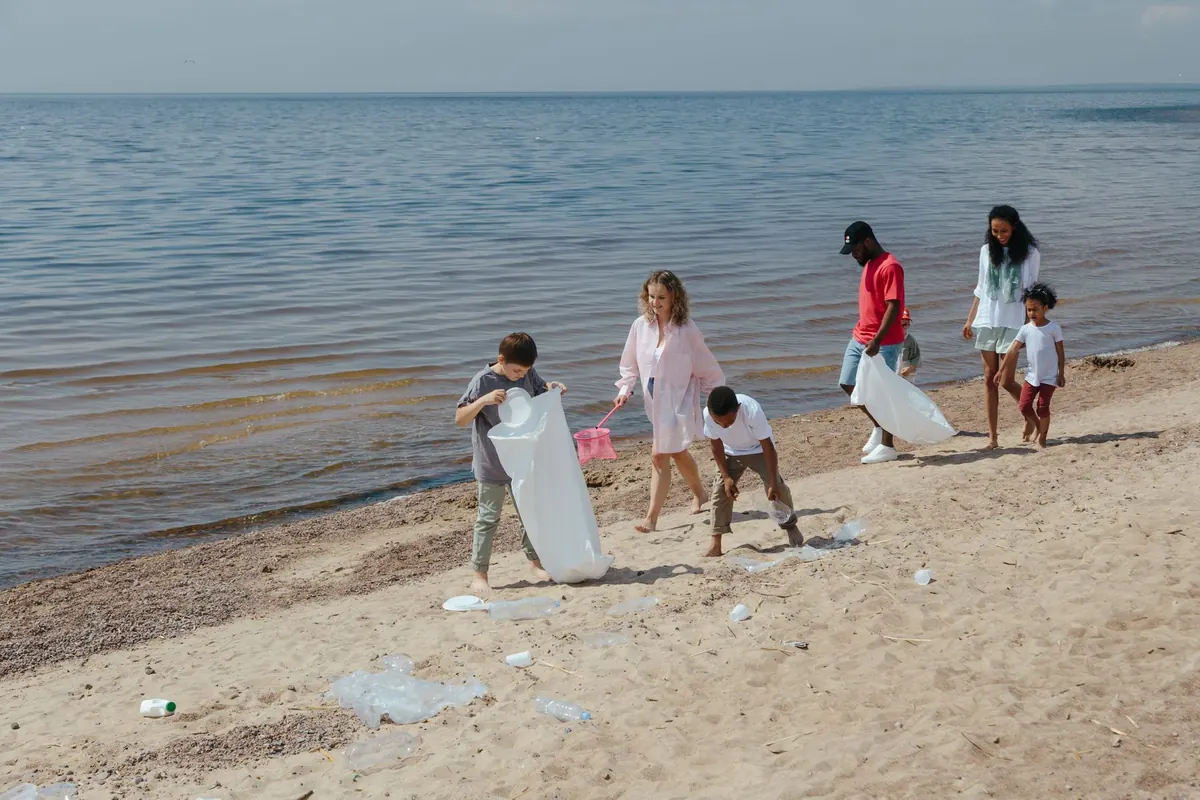
The Sefton Coast is not a remote reserve. It is where people walk dogs, ride bikes, play golf, park for the beach and, on hot weekends, light barbecues. Restoration that ignores that will fail, either ecologically or politically.
The most useful lesson is that bare sand is a hard sell. To most visitors, a stripped patch looks like damage. Volunteers and site staff on the Sefton Coast spend a lot of time explaining the opposite: that open sand is the habitat, and a dune covered in dense scrub is the problem. Simple interpretation boards, guided walks and fixed-point photographs showing change over time do more for goodwill than any amount of enforcement.
Practical measures help too. Route the main path where people actually want to walk rather than where a map says they should. Keep the message seasonal, focusing on ground-nesting birds in spring and fire risk in dry summers. Work with dog walkers and horse riders as partners rather than obstacles.
Lessons for other UK projects
- Diagnose before you dig. Work out why your dune stopped moving — scrub, lost grazing, nitrogen, coastal squeeze, or all four. Different causes need different responses, and a scrape in the wrong place just creates a patch of weeds.
- Treat bare sand as habitat, not untidiness. Write it into your management plan and your interpretation so nobody "tidies it up" later.
- Think in terms of sediment. Follow the sand: where it comes from, where it goes, and what blocks it. Dune conservation is a coastal-process question as much as a botanical one.
- Get consents and partners in early. Most dune sites are designated, so formal consent from the relevant statutory body is a legal requirement before any work. Talk to the landowner, the tenant farmer and the golf club long before machinery arrives.
- Design for people from day one. If access is not planned, it will happen anyway and it will happen badly.
- Fund the monitoring, not just the machinery. Fixed-point photography, vegetation transects, drone images and simple species counts cost little and give you the evidence to justify the next phase.
- Expect a slow response and say so. Dunes move over years and decades. Be honest about timescales with funders, or you will be judged against an impossible deadline.
Getting started on your own stretch of coast
Walk your site in winter and again in high summer, and note where sand is bare, where water sits and where scrub is spreading. Look at old maps, aerial photographs and any records held by your local wildlife trust or records centre. Find out who owns and manages each parcel, and check the designations before you plan anything.
Then start small and legal. Pick one area, get the permissions you need, and treat it as a trial with a control plot left untouched alongside it. Photograph both from the same spot each season. Record what appears. Share the results with neighbours and other groups working on the same coast — restoration succeeds far more often when it is done as a cluster of linked projects rather than one isolated scrape.
Photo: James Collington / Pexels
Related Articles