Beach Ecology
10 Signs of Healthy Dune Habitat to Look For on a Beach Walk
A dune system is never finished. It is either building, holding steady or quietly coming apart, and the sand, the plants and the animals will tell you which — if you know what you are looking at. You do not need a hand lens, a permit or a botany degree. Twenty minutes of careful walking, with a bit of sideways thinking, is enough to read a beach's health. Here are the signs worth looking for, roughly in the order you meet them as you walk inland from the tide line.
The Sand Itself
Look at the surface before you look at anything growing. Wet sand below the tide line, finely rippled with a slightly grey, glistening surface, is busy: algae and tiny invertebrates live between the grains, which is why so many wading birds feed there. Further up, dry sand that shifts into soft ridges under your boots is doing exactly what it should.
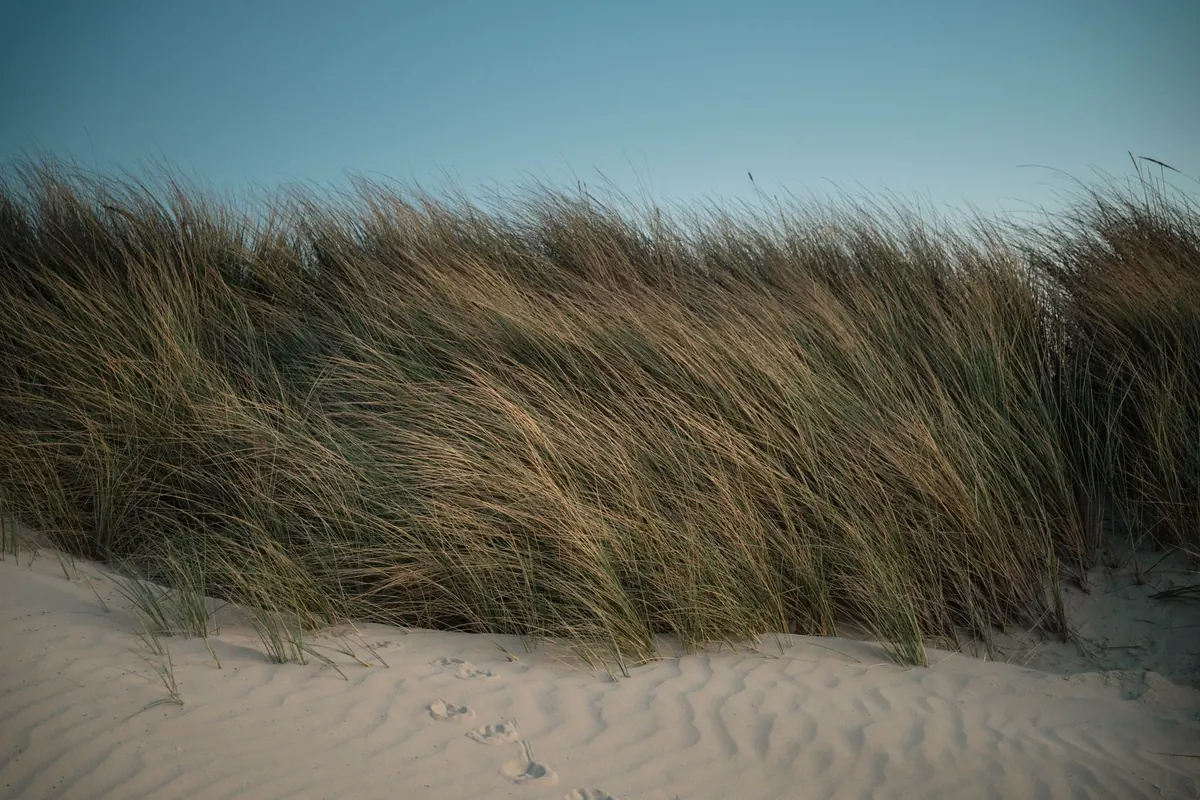
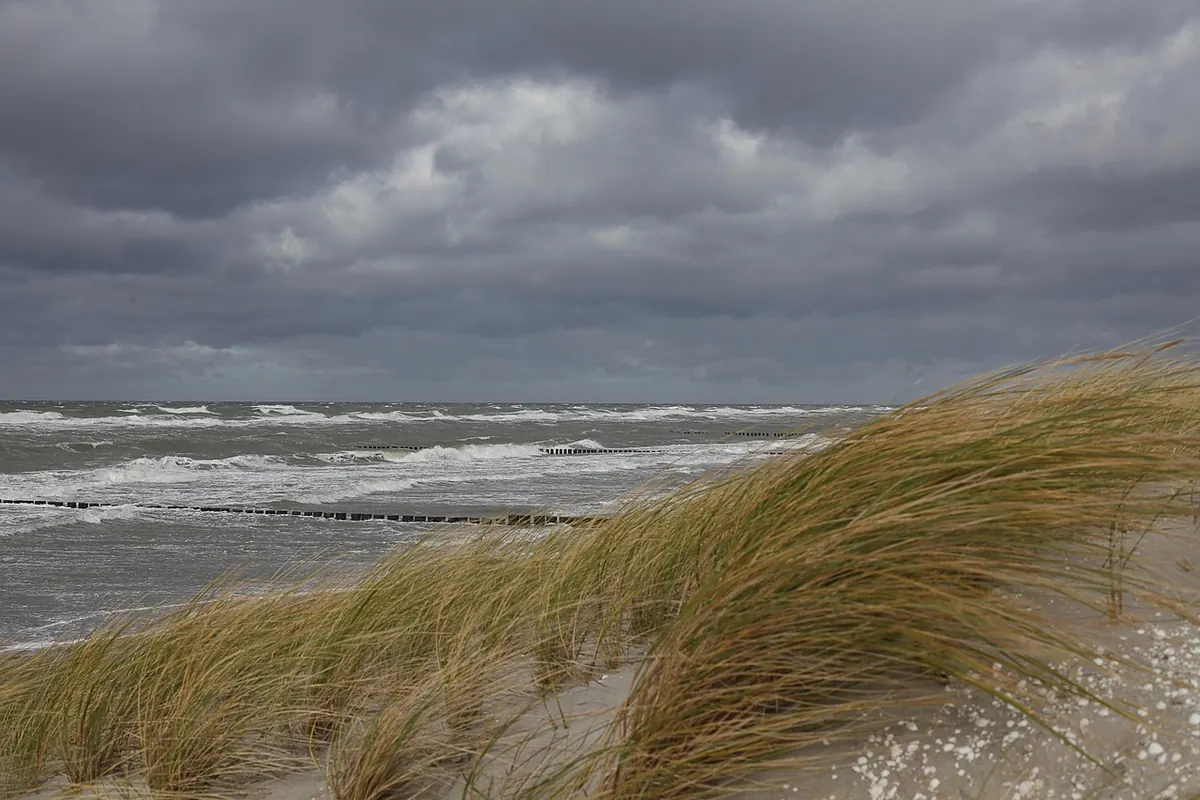
Healthy dunes keep some bare, mobile sand. Wind-scooped hollows, known as blowouts, and the low hummocks forming around the first tough plants show that the system is still building itself. Bare ground, scattered shell fragments and a clean line of debris at the top of the beach all point to a beach with room to move. Sand that is uniformly flat, grey and compacted, with tyre tracks and no ridges at all, is a beach working hard to recover.
Plants: Reading the Bands
Walk inland and the plants should change in bands, one after another. Sea couch and sand couch hold the first ridge; marram grass takes over behind, sending roots deep enough to cope with being buried. Then come the flowers: sea holly with its blue-grey spikiness, restharrow, lady's bedstraw, wild thyme, and in the best sites orchids such as pyramidal and bee orchid.
A dune with only marram and no flower-rich turf behind it is thin on interest. A dune smothered in scrub, nettles and rank grass has probably gone too long without grazing, and the specialists get shaded out.
What the slacks tell you
Slacks are the damp hollows between dune ridges, where the water table sits close to the surface. Find creeping willow, marsh orchids, marsh helleborine or a bright flush of mosses and rushes in a low hollow and you have found something better than good: it means the dune is a working system with a water table, not a pile of dry sand. Waxcaps and other fungi in short autumn turf add to the picture.
The Strandline Is a Larder, Not Litter
The dark band of seaweed at the top of the beach is the base of the whole food chain here. Rotting wrack and kelp feed sandhoppers, which in turn feed birds, beetles and shrews. Lift a strand of weed and watch the sandhoppers spring away, then press it gently back.
Other things worth noting: mermaid's purses, the egg cases of rays and skates; whelk egg cases, sometimes called sea wash balls; cuttlebone; and the pale, brittle shells of the sea potato. A strandline with variety and obvious animal activity is feeding the dune behind it. A beach raked clean every morning looks tidy and supports a fraction of the life.
Insects Are the Tell-Tale Hearts
Warm, south-facing dune slopes with patches of bare sand are insect gold. Walk slowly and watch for:
- Solitary bees and wasps hovering over small holes in bare sand — many dune species nest nowhere else.
- Fast-running ground beetles, including tiger beetles, on open sand.
- Butterflies such as grayling and dark green fritillary, and day-flying moths like the six-spot burnet.
- Ant hills, which build soil and help create the short, flower-rich turf that follows.
- Butterflies nectaring on thyme and ragwort, and caterpillars on the plants those species depend on.
Insects need warmth and bare ground. If nothing is flying on a still, sunny July afternoon, ask what has changed.
Birds: What You Hear Before You See
Skylarks singing overhead and meadow pipits flitting up from the grass are the soundtrack of a healthy dune. Ringed plovers and oystercatchers nest on open shingle and sand; linnets and stonechats work the scrubby edges; shelduck sometimes use old rabbit burrows. In winter, sanderling and dunlin follow the tide along the water's edge.
Ground-nesting birds are easily disturbed, and all wild birds' nests in the UK are protected by law. Give a wide berth to any bird calling at you or dragging a wing — that is a bird with a nest or chicks nearby. Keep dogs on a lead near the top of the beach in spring and summer, and watch where you put your feet. A dune with birds nesting on it is a dune that has not been walked to death.
Grazing, Burrows and Bare Ground
Rabbit burrows are a good sign, not a problem. Rabbits graze the turf short, and that short, patchy turf is exactly what dune flowers, ants and basking insects need. Look for freshly scratched earth, droppings and the little paths radiating from a warren.
Bare ground is the theme running through all of it. Dunes are dynamic places; they need wind, movement and a bit of mess. Blowouts, scuffed edges, warrens, roots exposed on a windward slope and modest patches of blackthorn or willow add up to structure and variety. What you don't want is the opposite: everything levelled, everything green, everything fenced, with no gaps in between.
A Ten-Point Field Checklist
Tick these off as you walk, from the tide line inland:
- Bare, rippled sand and soft dry ridges near the top of the beach.
- Embryo dunes forming around the first tufts of couch or marram.
- Marram clumps with fresh green growth at their centre.
- Clean bands of plants from strandline to fixed dune.
- Flowers in the turf: thyme, bedstraw, sea holly, orchids.
- A damp slack with rushes, mosses or creeping willow.
- A varied strandline with sandhoppers under the weed.
- Bees, wasps or beetles using patches of open sand.
- Butterflies on the wing on a warm day.
- Skylarks singing, or ringed plover and oystercatcher on the open beach.
Four or five ticks is a dune doing well; a full house is a site worth cherishing. Keep to the paths where they exist, resist picking anything, and respect signs restricting access where nesting birds are present. If your walk turns up something unusual — a stranded marine animal, an oiled bird, fly-tipping on the dunes — report it to the local council, the coastguard or the wildlife trust for that stretch of coast. Recording what you see on a wildlife recording site such as iRecord genuinely helps the people who look after these places.
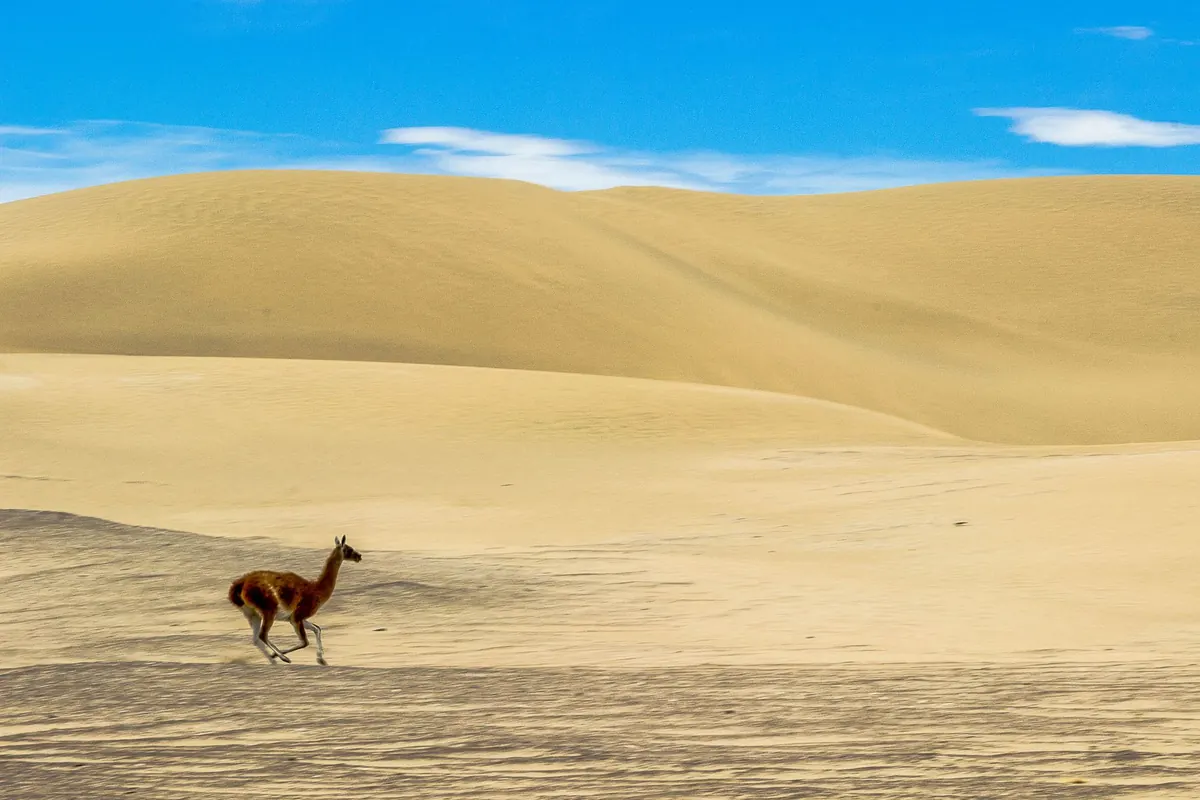
Photo: Sergio Geller / Pexels
Related Articles