Dune Restoration

Common Mistakes in Dune Restoration Projects (and How to Avoid Them)
Foredune restoration looks simple enough on paper: put up a fence, plant some marram, keep people off. Most projects that struggle do so for reasons that are almost boringly practical — a fence in the wrong spot, a planting day in June, a path nobody uses because it takes the long way round. None of those mistakes is a disaster on its own. Together they decide whether a dune knits itself back together or quietly erodes for another decade.
Fencing that fights the wind instead of using it
Sand fencing works by slowing wind so it drops the sand it is carrying. That means angle and position matter far more than how much timber you buy.
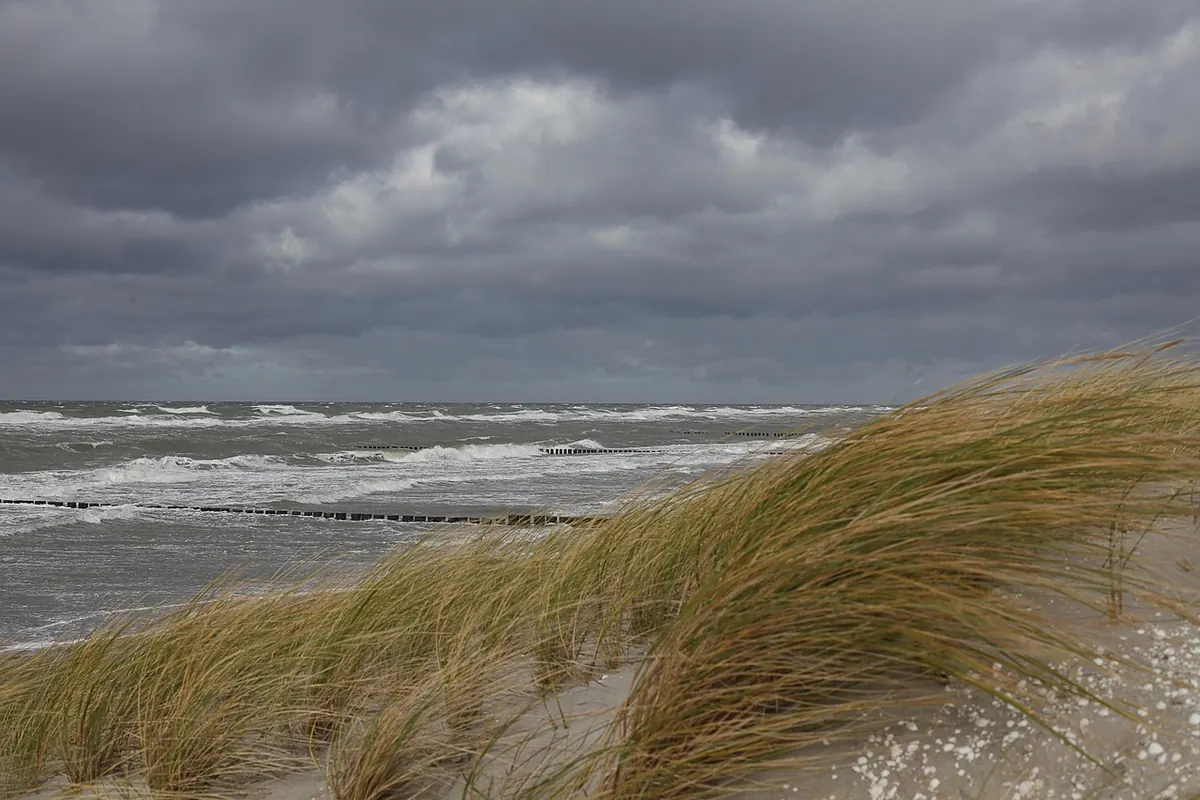
- Wrong angle. The fence should sit broadly at right angles to the prevailing sand-carrying wind, which on most British coasts means roughly parallel to the shoreline. Fences laid at a sharp diagonal, or in a zig-zag, funnel wind and scour the sand in front of them.
- Too far down the beach. If a spring tide reaches your fence line, the sea will take it. Work above the highest strandline you can reasonably expect and accept that the lowest fence is sacrificial.
- No gaps. Unbroken runs funnel wind and force people to walk around the ends, widening the damage. Leave short gaps, plus deliberate crossing points where a path already exists.
- Plastic netting. Cheap, but it shreds into fragments that end up in the dune and in the sea. Paling or coir is worth the extra cost.
A fence on its own is not a dune — it is a sand trap. Expect to re-tension it after gales, and expect it to be buried within a season or two. That is success, not failure.
Planting at the wrong time, in the wrong place
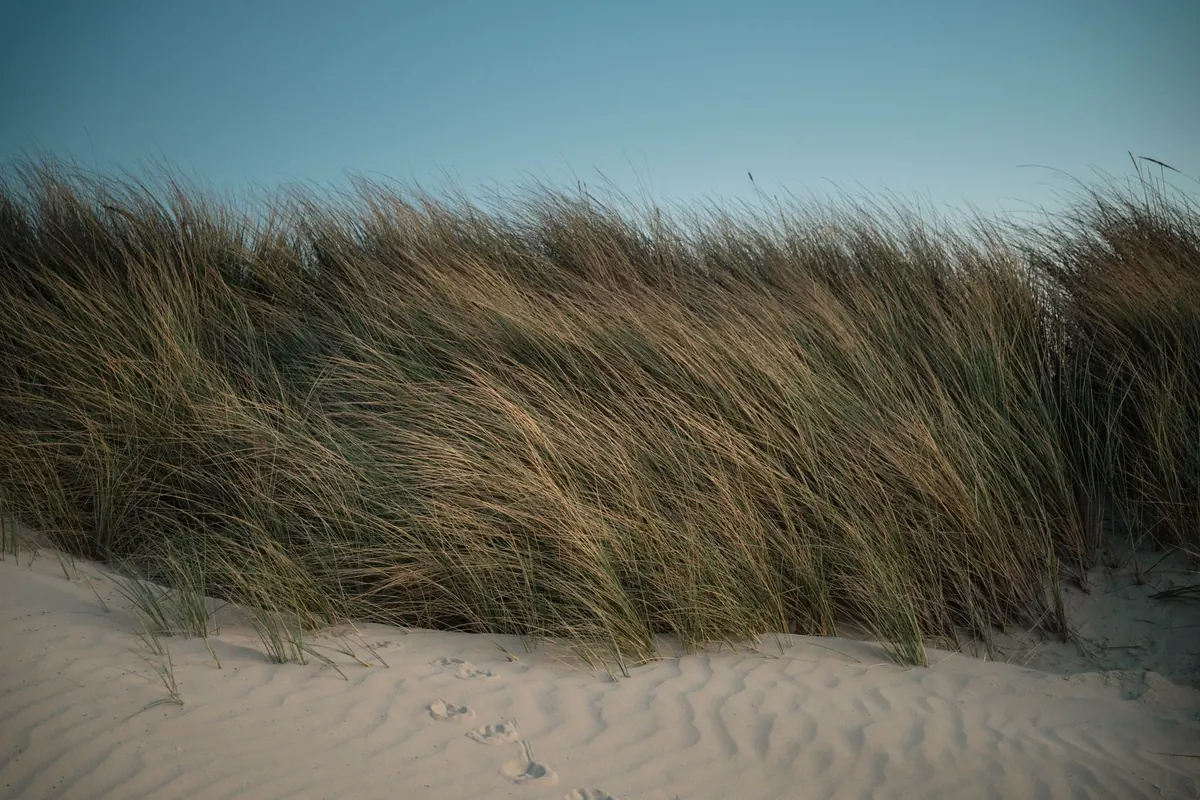
Marram is the workhorse of the foredune, and it is also remarkably easy to kill. Plant it dormant, between November and March. Planting in May or June on a hot, dry, exposed beach is the single most common reason bare-root transplants fail: the roots desiccate before they have a chance to grip.
A few practical habits make a real difference. Keep roots damp and out of the sun while you work, plant to the depth of the root collar, and firm the sand around each plant so the roots are not left in an air pocket. Do not fertilise. Dune plants grow best on poor, low-nutrient sand, and feeding them encourages soft growth that the wind shreds.
Position is just as important. Plant in the zone just above the strandline where sand accumulates but waves do not routinely reach. Plant below that line and the next tide removes your work; plant too high and you are putting marram where it will not thrive without a fence to build sand first. Space plants in loose clusters rather than tight rows — crowded transplants compete for water and most will die.
Trampling, and the path people actually want to take
A foredune rarely fails because of one dramatic event. It fails because of a gap that widens. One person steps over the fence, a second follows the line, and within a season there is a bare notch through the dune that the wind can exploit.
The instinct is to put up another sign saying "keep off". That rarely works. Watch where people walk first, then give them a route they will actually choose: a defined path, a few timber steps over the crest, a short boardwalk where the ground is lowest. Signage that explains — "this area is regrowing after storm damage" — gets a friendlier response than a prohibition.
And remember who else is on site. Dog walkers, horse riders, school groups, the greenkeeper, the tractor driver who rakes the beach, the volunteer litter-pickers. A five-minute conversation with each of them prevents more damage than an extra fifty metres of fencing.
Tidying up a beach that was fine as it was
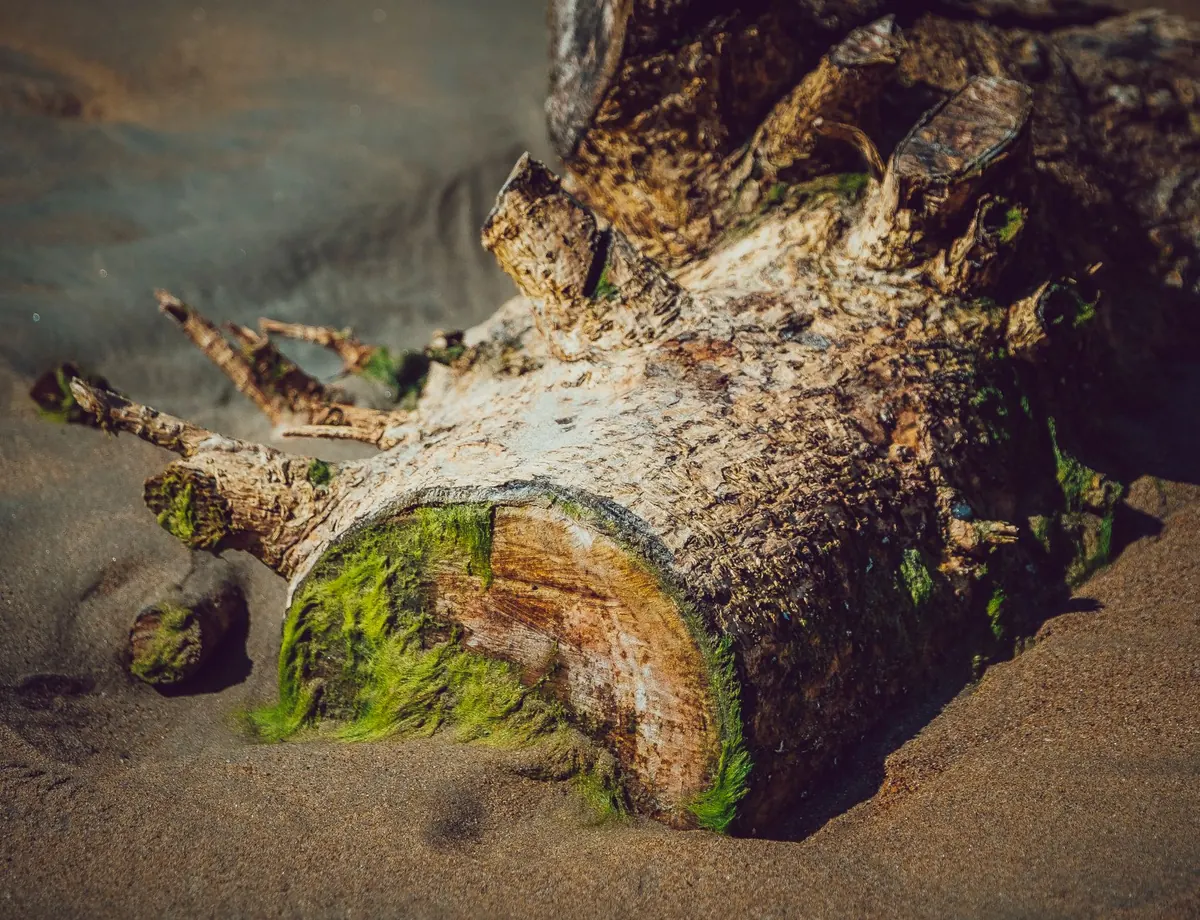
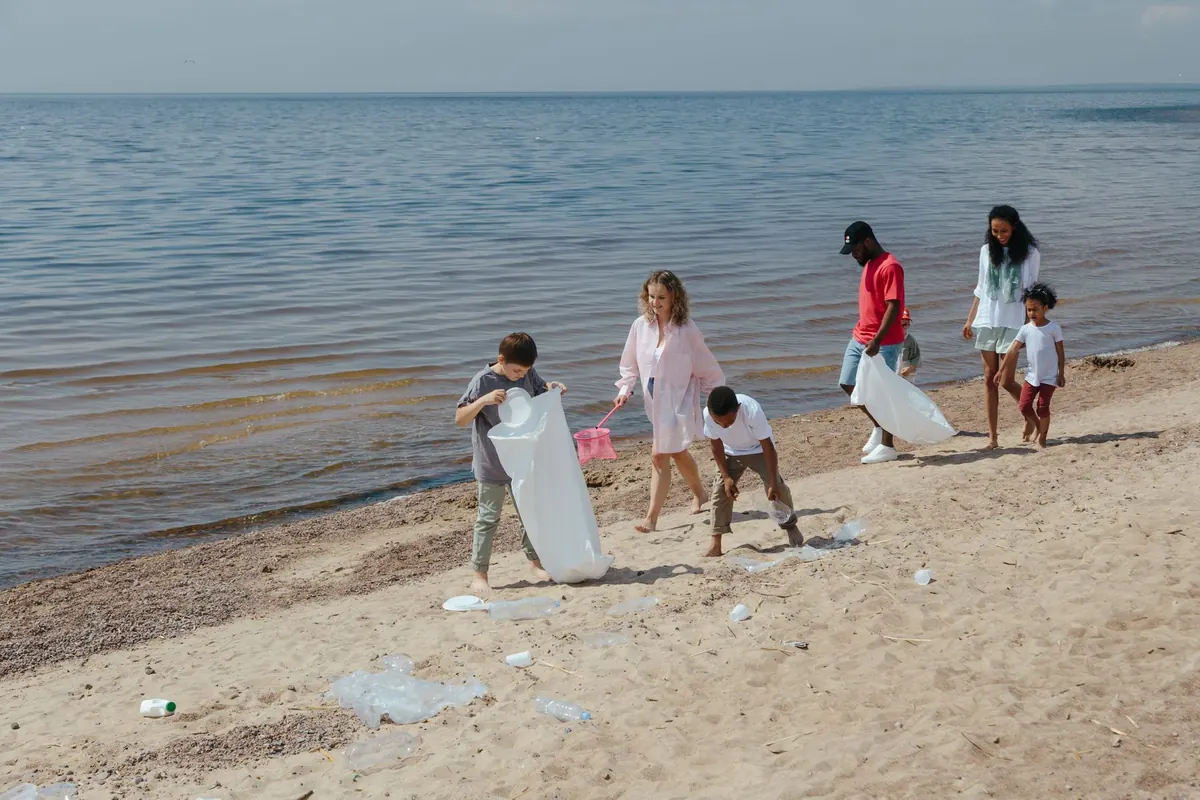
Well-meant clean-ups can undo years of natural process. Strandline wrack and driftwood are habitat and nutrient, not litter; they feed invertebrates, shelter young birds and help sand settle. If a beach clean is part of your project, agree in advance what is genuinely rubbish and what stays.
The same caution applies to scrub. Cutting back sea buckthorn or bramble is legitimate where it is smothering dune grassland, but clearing everything in one pass strips shelter and exposes bare sand to erosion. Work in patches, over several winters, and leave the older, fixed dune alone wherever you can.
Two more avoidable harms: driving machinery across the dunes, which compacts sand and tears roots in a single pass, and working during the nesting season from March to August, when ringed plover, oystercatcher and skylark are on the ground. Time your main works for late autumn and winter.
Planting the wrong species
Marram is the right answer for the seaward face, but it is not the only plant a dune needs. Further inland, sand sedge, sea couch, dune fescue and sea holly all have a part to play, and a diverse sward is more resilient than a monoculture. Avoid tree planting schemes on dunes, and do not introduce species simply because they look coastal. Native, local provenance, and matched to the zone — that is the rule.
No baseline, no aftercare
A project with no record of what it looked like before it started cannot tell whether it worked. Set up a handful of fixed photo points with a marker post and take the same shot each season. A simple line of pegs across the dune, measured a few times a year, tells you whether sand is building or leaving.
Aftercare is where enthusiasm usually runs out. Fences need patching, plants need gap-filling, and a visit straight after the first winter storms tells you more than any amount of planning.
A short checklist before you start
- Confirm who owns the land and get permission in writing before you dig or plant.
- Walk the site at high water and note where the tide reaches.
- Watch how people move through it for a week, not five minutes.
- Order plants for a winter delivery, and have somewhere shaded to store them.
- Set your photo points and take the "before" shots first.
- Decide who will maintain the site for the next three years.
Small, well-sited, well-maintained work beats a large scheme that is abandoned by spring. Get the basics right and the dune will do most of the rest.
Related Articles