Coastal Plants
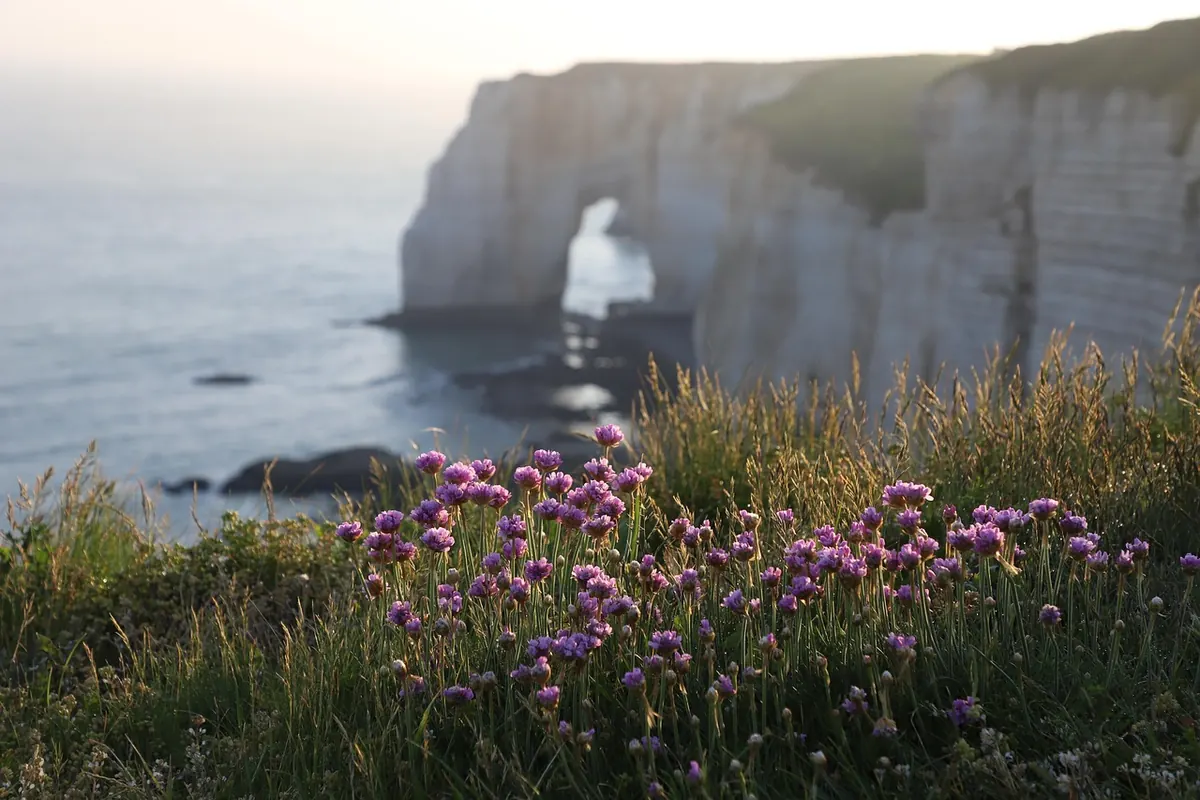
Seasonal Guide to Coastal Plant Surveying: What to Record Each Month
Coastal plants do not run to a tidy calendar. Sea thrift can be in flower on a Cornish headland while the same species on a Northumberland dune is still tight in bud, and a single gale in November can rewrite a shingle ridge before you next visit. That is exactly why a seasonal approach works. Instead of one annual scramble, you build a picture of the same plants at the same points through the year: what emerges, what flowers, what sets seed, what disappears.
What follows is a practical rhythm for surveying dune and shingle vegetation in Britain, with the species worth watching each month and the notes worth writing down.
Reading the year, not the day
Phenology, the timing of growth and flowering, is the backbone of coastal plant surveying. A record that says "sea holly present" tells you far less than one that says "sea holly, first flower 12 July, 20 plants along the upper beach, seed set light".
Two habits make this easier. First, fix your route: a marked transect or a handful of permanent quadrats you can find again with a GPS reading and a photograph of a landmark. Second, visit at least monthly, and fortnightly from April to August when change happens fastest. Record the same things each time, even when there is little to see, because "nothing emerged in this quadrat after the March storm" is data.
For abundance, the DAFOR scale (Dominant, Abundant, Frequent, Occasional, Rare) is quick, widely understood and good enough for most volunteer recording. Note the weather, the tide state and whether the site has been grazed or mown. These details explain oddities later.
Late winter and early spring: January to March
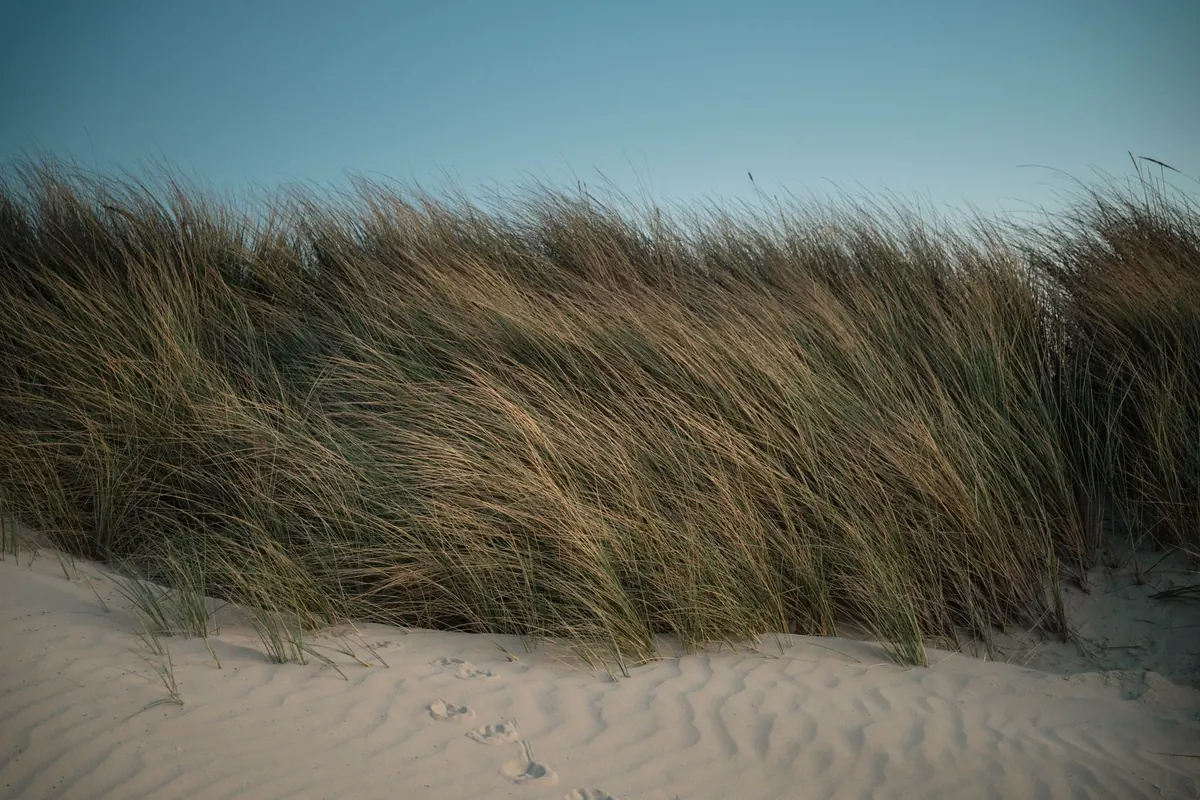
Dunes look derelict in January, which is precisely why the structure is easy to read. Bare sand, embryo dunes, eroding scarps and the wet hollows of dune slacks are all visible before the grasses hide them. Slack vegetation may be flooded or frosted, but you can still map its extent.
On shingle, winter is the season for mapping by remains. Yellow horned-poppy rosettes stay low and grey-green; sea kale crowns show as tight purple-flushed buds pushing through stones; sea campion mats persist; last year's stiff dead stems of sea pea and oysterplant mark where plants grew, even when nothing is above ground. Note these ghost records, then check them again in June.
- Extent of bare sand and any new seedling patches
- Position of the strandline and any fresh shingle movement
- Erosion scarps and slumping on dune edges
- Overwintering rosettes: sea kale, yellow horned-poppy, sea campion
- Marram and sand couch tillers, noting green shoots among dead thatch
- Flooded slacks, with an outline of the water margin
Spring into summer: April to June
This is the busiest window and the one most surveyors miss the start of. Sea thrift usually opens first on exposed dune tops, followed by sea campion, kidney vetch, bird's-foot trefoil and common restharrow. On shingle, watch for the first yellow horned-poppy flowers, sea kale in full white bloom and, on the best sites, oysterplant with its blue-green leaves and soft blue flowers.
In dune slacks, the orchid sequence is worth following closely: early marsh orchid, then northern marsh orchid, with bee orchid and common spotted orchid later. Record the date of first flowering for each, the number of flowering spikes, and any grazing damage to buds. If you are monitoring a fixed quadrat, count flowering stems rather than trying to estimate cover, which is more repeatable year on year.
Keep an eye out for disturbance too. Trampled slack edges, new paths through foredunes and dumped garden waste all show up clearly now and are worth photographing from the same spot each visit.
High summer: July and August
By July the dunes are at their densest and shingle plants are at their most conspicuous. Sea holly flowers on the upper beach, joined by viper's bugloss, evening primrose and, on drier dune grassland, centaury and restharrow. Early species are already setting seed, so record seed set alongside flowering: none, light, moderate or heavy is a workable scale.
This is also the season for spotting plants that should not be there. Non-native and invasive species spread fastest in midsummer and are easiest to map when they are in leaf or fruit:
- Pirri-pirri bur, with its burr-like seed heads that cling to clothing and dog fur
- Japanese rose, forming dense thickets on dune edges
- Cotoneaster, often seeded by birds along paths and fences
- Sea buckthorn, native in some regions and aggressively invasive in others, so check local guidance before recording it as a problem
Sketch the outline of any large patch and estimate its area. A rough polygon now saves a lot of guessing next year.
Seed set and autumn colour: September and October
The show is over but the important records are not. Note which species set seed successfully and which were cut short by drought or grazing. Marram seed heads ripen and shatter through late summer and early autumn, and where you find fresh seedlings in the following spring often depends on what happened now.
Autumn gentian flowers on dune grassland into September, and the first fungi appear in older, undisturbed slacks. Record dieback, leaf colour change and any signs of rabbit or livestock grazing. If your site is grazed, note when animals arrive or leave, as this shapes next year's sward.
Winter storms, strandlines and safety
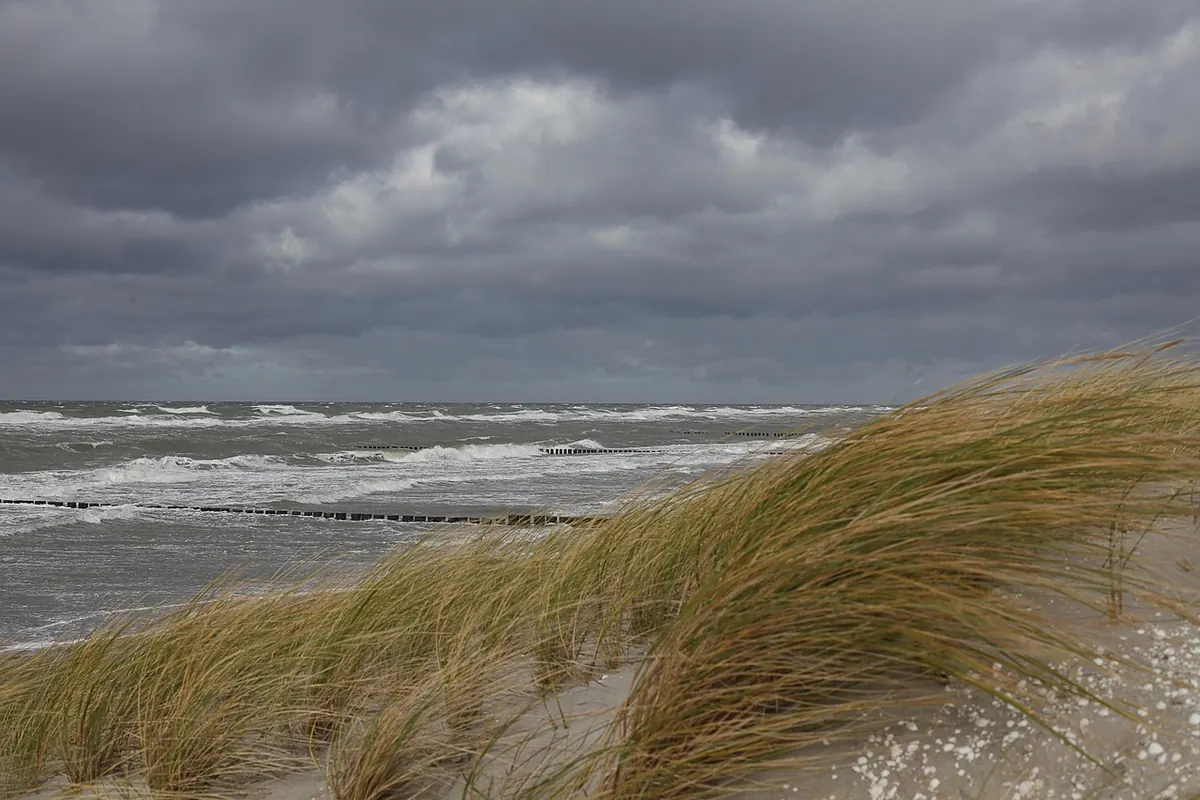
November and December are for recording change rather than plants. After each significant gale, revisit your fixed points and note new erosion, fresh shingle ridges, blown sand and the position of the strandline. A photograph from a fixed spot, taken in the same direction each time, becomes a genuinely useful record after a few winters.
Staying safe year-round
Dune and shingle sites carry real hazards, and most of them are manageable with a little planning.
- Check tide tables before you go; shingle spits and lower beaches can be cut off quickly
- Wear boots and long trousers. Adders use dunes, so look before you put hands or feet into dense marram, and check yourself for ticks afterwards
- Avoid known nesting areas between March and August. Ringed plover and little tern nest on open shingle and are easily disturbed, so stay outside fenced or signed zones
- Clean boots, clothing and kit between sites to avoid moving pirri-pirri bur and other invasive seed
- Tell someone your route and expected return; mobile signal is patchy on many dune systems
- If a site is a Site of Special Scientific Interest, some methods may need consent from the relevant statutory conservation body before you start. This is general guidance rather than legal advice, so check with the site's managing organisation first
Keeping records that last
A survey is only as useful as its notes. Whatever you carry, whether a waterproof notebook or a recording app such as iRecord, capture the same core fields every time: date, time, site name, grid reference to at least six figures, habitat, species, phenology, abundance, and any photograph reference.
Add one line of context that a spreadsheet cannot: "easterly gale three days ago", "slack still holding water", "rabbit grazing heavy on the seaward edge". Those sentences are what make a record interpretable years later.
Finally, pass your records on. Local environmental records centres, county plant recorders and the Botanical Society of Britain and Ireland all take volunteer records, and your monthly notes on one dune system are far more valuable to conservation than a single heroic day of surveying. Pick your sites, keep going back, and let the seasons do the rest.
Photo: mrsolow / Pixabay
Related Articles